
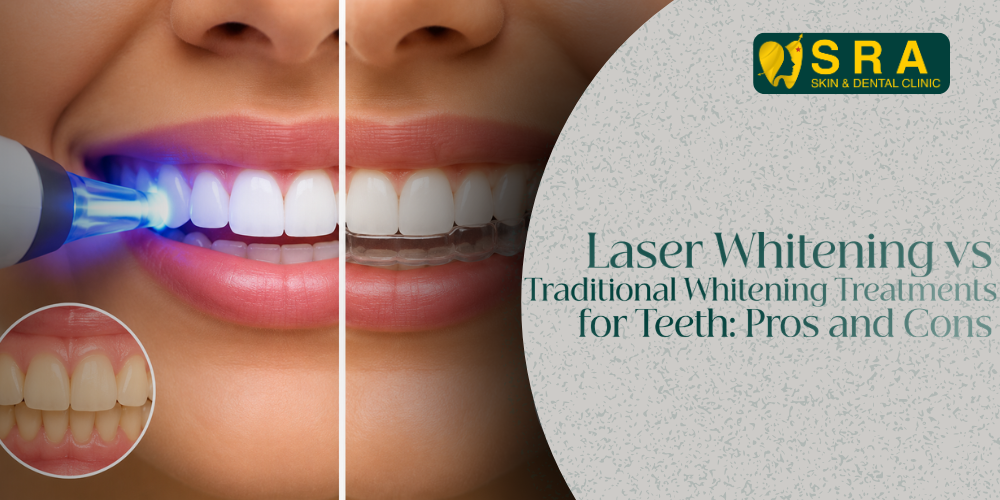
Somewhere between scrolling through Instagram and catching a glimpse of a friend's dazzling smile, most people have had the same passing thought: maybe it's time to do something about my teeth. That thought usually gets filed away until a wedding invitation shows up, or a big presentation gets scheduled, or someone simply gets tired of …
Somewhere between scrolling through Instagram and catching a glimpse of a friend’s dazzling smile, most people have had the same passing thought: maybe it’s time to do something about my teeth. That thought usually gets filed away until a wedding invitation shows up, or a big presentation gets scheduled, or someone simply gets tired of instinctively covering their mouth in photos.
Once that decision actually gets made, a new question shows up almost immediately — which whitening option is actually worth it? Walk into any pharmacy and the shelf is packed with strips, gels, and charcoal powders promising instant results. Search online and clinics offer everything from quick laser sessions to custom take-home kits. It’s a lot to sort through, and most people don’t have the background to know what actually works versus what’s just clever packaging.
This is exactly the kind of decision that deserves a clear-headed comparison. If you’ve been researching Whitening Treatments for Teeth and keep running into the same two contenders — laser whitening and traditional whitening — this guide breaks down how they actually differ, what each one does well, and where each one falls short. And if you’re specifically looking into Professional Teeth Whitening Raipur has to offer, understanding this comparison first will make your consultation far more productive.
Why Teeth Lose Their Brightness in the First Place
Before comparing treatment options, it helps to understand what’s actually happening beneath the surface. Teeth don’t just “turn yellow” randomly — the discoloration usually falls into two categories.
Extrinsic stains sit on the outer enamel and come from everyday habits — coffee, tea, red wine, smoking, and certain foods gradually build up surface pigmentation over time. Intrinsic stains run deeper, developing within the tooth structure itself due to factors like aging, certain medications, excessive fluoride exposure during childhood, or trauma to a tooth.
This distinction matters more than most people realize, because it directly affects which whitening approach will actually deliver visible results. A treatment that works beautifully on surface stains might barely touch deeper, intrinsic discoloration, which is exactly why understanding your specific situation before choosing any Whitening Treatments for Teeth saves both money and disappointment.
What Traditional Whitening Treatments Actually Involve
Traditional whitening covers a fairly wide range of methods, but they all share a common foundation — the use of peroxide-based bleaching agents, applied either at a clinic or at home, that chemically break down stain molecules within the enamel.
In-office traditional whitening typically involves a dentist applying a higher-concentration bleaching gel directly to the teeth, sometimes activated with a light or heat source that isn’t a laser. Sessions usually last around an hour, and results are visible almost immediately.
At-home traditional whitening includes custom-fitted trays provided by a dentist, filled with a professional-grade gel, worn for a set period each day over one to two weeks. This method takes longer to show results but allows for a more gradual, controlled brightening process.
Over-the-counter options — whitening strips, toothpaste, and pens — also fall under this category, though they use much lower concentrations of active ingredients and are designed for mild, surface-level improvement rather than dramatic transformation.
The appeal of traditional whitening lies in its long track record. Dentists have refined these techniques over decades, and the predictability of results is well understood, both in terms of what to expect and how long those results tend to last. It remains one of the most commonly recommended Whitening Treatments for Teeth among patients who prioritize a gradual, controlled approach.
What Laser Teeth Whitening Actually Involves
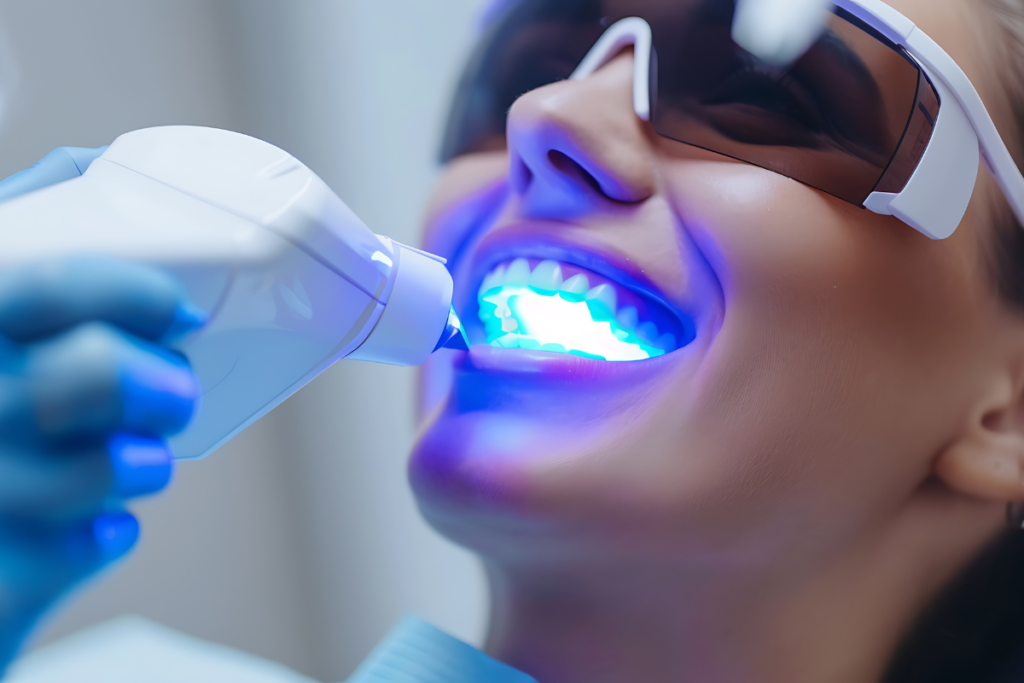
Laser whitening, sometimes called laser-activated or power whitening, follows a similar core principle — a peroxide-based gel is applied to the teeth — but with one key difference. Instead of relying on time and chemical action alone, a laser is used to activate and accelerate the whitening gel’s reaction, speeding up the process significantly.
During a typical session, a dentist applies the whitening gel and then directs a laser at each tooth for a short, controlled period. The laser’s energy activates the peroxide more intensely, allowing it to break down stains faster than it would through chemical action alone. Most laser sessions are completed within 30 to 60 minutes, and many patients see a noticeably brighter smile before they even leave the clinic.
This speed and intensity have made laser whitening particularly popular among people with limited time or an upcoming event where an immediate, dramatic result matters more than a gradual one. It’s also one of the most frequently requested Whitening Treatments for Teeth at clinics offering Professional Teeth Whitening Raipur services.
Laser Whitening: The Real Advantages
There’s a reason laser whitening has become such a frequently searched option among people exploring Professional Teeth Whitening Raipur has to offer. A few genuine advantages stand out.
Speed is the most obvious one. A single session can deliver results that would otherwise take multiple days or weeks with traditional at-home methods. For anyone working against a deadline — a wedding, an interview, a reunion — this matters enormously.
Consistency of results tends to be stronger with laser whitening, since the process is fully controlled by a professional in a clinical setting, rather than depending on how consistently someone follows an at-home routine.
Reduced sensitivity during treatment, in many cases, since the laser-activated process can be more precisely controlled compared to prolonged chemical exposure from extended tray-wearing.
For people specifically searching for Teeth Whitening Clinics near Anadam, Raipur, laser whitening is often the treatment they’re picturing when they imagine walking out of a single appointment with a visibly brighter smile.
Laser Whitening: The Honest Downsides
No treatment is without trade-offs, and laser whitening has a few worth understanding clearly before booking an appointment.
Cost is typically higher than traditional in-office or at-home whitening, since the technology and session time involved carry a premium. For someone comparing options purely on budget, this is often the deciding factor.
Temporary sensitivity can still occur after treatment, particularly for people who already have sensitive teeth or thin enamel. The intensity that makes laser whitening fast can also make post-treatment sensitivity more pronounced in some patients, at least for a day or two.
Results may not last as long without proper maintenance, since the dramatic initial brightness can fade if staining habits — coffee, tea, smoking — continue unchanged afterward. Laser whitening delivers a strong starting point, but it doesn’t make teeth immune to future staining.
Traditional Whitening: The Real Advantages
Traditional whitening earns its long-standing popularity for good reason, and dismissing it in favor of newer technology would be a mistake for a lot of patients.
Lower cost, particularly for at-home tray-based options, makes traditional whitening accessible to a wider range of budgets while still delivering professional-grade results under a dentist’s guidance.
Gradual results reduce sensitivity risk, since the bleaching process happens more slowly, giving teeth time to adjust rather than experiencing an intense, concentrated treatment in a single sitting.
Flexibility and convenience, especially with custom trays, allow patients to whiten on their own schedule rather than committing to a single appointment window.
Well-established long-term data, since traditional whitening methods have been refined and studied for far longer than laser-based alternatives, giving both dentists and patients a strong understanding of what to expect.
Traditional Whitening: The Honest Downsides
The trade-offs here are just as real. Slower results mean traditional whitening isn’t the right choice for anyone working against a tight timeline. Visible improvement with at-home trays can take one to two weeks of consistent use, which requires a level of discipline not everyone maintains.
Results depend heavily on compliance, particularly with at-home methods. Skipping days or using trays inconsistently significantly slows down progress and can lead to uneven whitening if not managed carefully.
Over-the-counter versions are often underdeliver, since store-bought strips and gels use much lower peroxide concentrations than professional treatments, leading many people to feel disappointed by results that don’t match the dramatic transformations advertised.
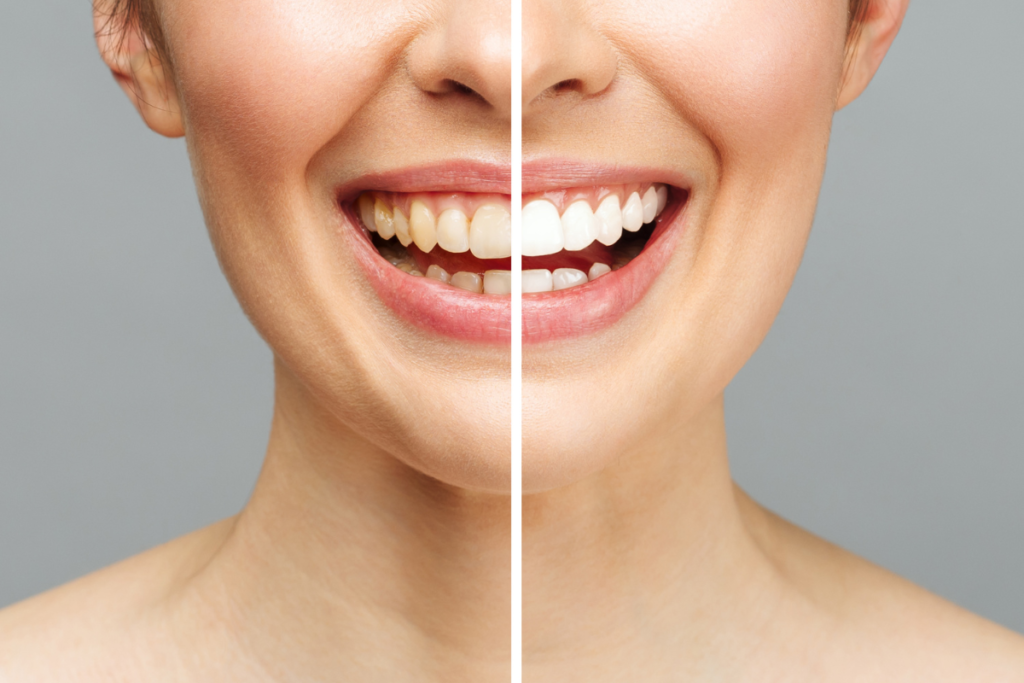
So Which One Should You Actually Choose?
This is where a lot of blog articles hand-wave the answer, but the honest truth is that the right choice depends entirely on a few personal factors.
If time is your biggest constraint — an event coming up in days rather than weeks — laser whitening’s speed makes it the more practical option, even with the higher price tag.
If budget matters more than speed, traditional at-home tray whitening offers professional-level results at a more accessible cost, provided you’re willing to commit to the daily routine it requires.
If you have sensitive teeth or thin enamel, a conversation with your dentist becomes especially important, since either method can be adjusted in concentration or duration to minimize discomfort, but the starting point for that conversation should always be a professional assessment rather than guesswork.
If your discoloration is intrinsic rather than surface-level, neither whitening method alone may deliver the results you’re hoping for, and alternative options like veneers or bonding might be worth discussing instead.
This is precisely why walking into any of the Teeth Whitening Clinics near Anadam, Raipur for a proper consultation, rather than choosing a method based on advertising alone, makes such a meaningful difference in the outcome.
What a Good Consultation Should Actually Cover
Before committing to either method, a thorough consultation should include more than just a quick look at your teeth. A dentist evaluating you for whitening should check for:
- Existing cavities or exposed dentin that could react poorly to bleaching agents
- Gum health, since inflamed or receding gums can increase sensitivity during treatment
- The type and depth of staining present, to set realistic expectations
- Any restorations like crowns or veneers, which don’t respond to whitening the same way natural enamel does
Skipping this step and jumping straight into treatment — whether it’s a laser session or an at-home kit — is one of the most common reasons people end up dissatisfied with their results. A five-minute conversation upfront saves a lot of frustration later.
Debunking a Common Misconception
There’s a persistent idea floating around that laser whitening is simply “better” because it’s newer and more technologically advanced. That’s not entirely accurate. Laser whitening is faster and more dramatic in the short term, but traditional methods, when done correctly under professional supervision, can achieve comparable long-term results with less sensitivity risk and lower cost.
Choosing between them isn’t about picking the objectively superior method — it’s about matching the right tool to your specific situation, timeline, and comfort level. This is a conversation worth having directly with any of the Teeth Whitening Clinics near Anadam, Raipur, rather than deciding based on marketing claims alone.
Maintaining Your Results, Regardless of Method
Whichever treatment you choose, the brightness won’t last forever without some ongoing care. Most Professional Teeth Whitening Raipur providers will walk you through this as part of your treatment plan, but a few habits make a meaningful difference on their own:
Rinse with water after consuming staining foods or drinks like coffee, tea, or red wine, rather than letting pigments sit on freshly whitened enamel. Use a straw for dark beverages when possible, since this reduces direct contact with front teeth. Maintain regular dental cleanings, since professional cleanings help remove surface buildup before it has a chance to deepen into visible staining. Consider periodic touch-up treatments, particularly for laser whitening patients, since results tend to gradually fade over six months to a year depending on lifestyle habits.
Frequently Asked Questions
1. Which lasts longer — laser whitening or traditional whitening? Both can deliver comparable long-term results when properly maintained, though laser whitening’s initial brightness is often more dramatic while traditional at-home methods tend to fade more gradually.
2. Is laser teeth whitening safe for sensitive teeth? It can be, but patients with existing sensitivity should have a professional evaluation first, since the intensity of laser activation may require adjustments to concentration or exposure time.
3. How much does professional teeth whitening typically cost compared to at-home kits? Professional treatments, particularly laser whitening, generally cost more than over-the-counter kits, but they also use higher-quality, higher-concentration formulas under safe clinical supervision, which usually translates to better and safer results.
4. Can I combine laser whitening with at-home maintenance? Yes, many dentists recommend an initial laser or in-office session for dramatic results, followed by occasional at-home touch-ups to maintain brightness between professional visits.
5. Will whitening treatments work on crowns or veneers? No, whitening agents only affect natural tooth enamel. Crowns, veneers, and other restorations won’t change color, which can create a mismatch if whitening is done without accounting for existing dental work.
Final Thoughts
There isn’t a single universally “better” option between laser and traditional whitening — there’s only the option that’s better suited to your specific teeth, timeline, and budget. Laser whitening delivers speed and dramatic same-day results for a higher cost, while traditional whitening offers a more gradual, budget-friendly path with a long track record of reliable outcomes.
What matters most, regardless of which method you lean toward, is getting a proper professional assessment before starting treatment. Whitening isn’t one-size-fits-all, and the right Whitening Treatments for Teeth depend entirely on understanding your specific staining, sensitivity, and goals.
If you’re exploring Professional Teeth Whitening Raipur options and want an honest, personalized recommendation rather than a one-size-fits-all sales pitch, SRA Dental Clinic offers thorough consultations to help you choose between laser and traditional whitening based on what your smile actually needs.
Ready for a Brighter, More Confident Smile?
The best time to stop wondering “which whitening option is right for me” is now, with a proper evaluation rather than another late-night search session. Book a consultation with SRA Dental Clinic today, and let an experienced professional guide you toward a whitening treatment that fits your teeth, your timeline, and your budget — so your next smile in a photo is one you don’t feel the need to cover up.